Why this checklist matters
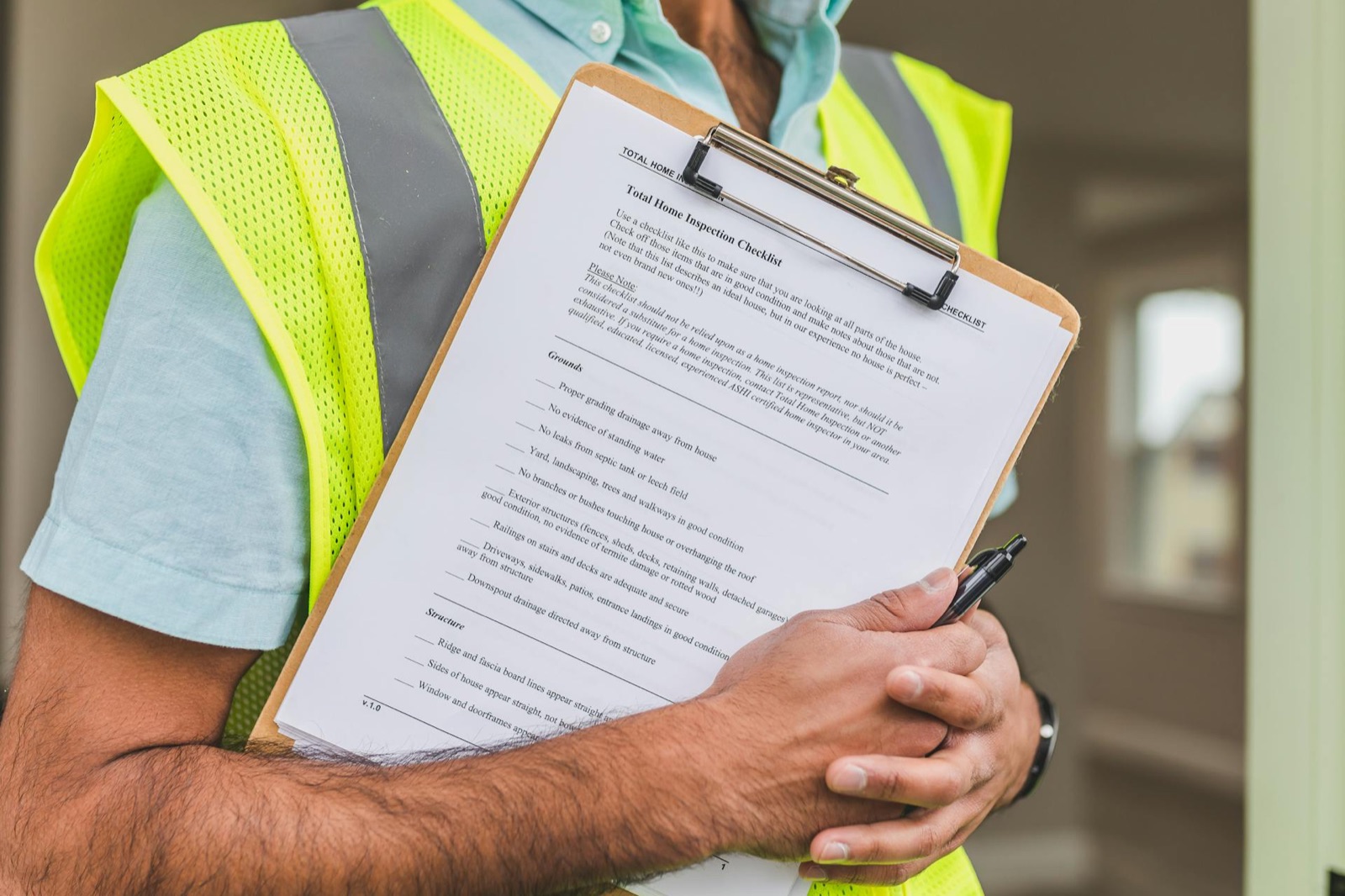
Commercial facilities rarely fail all at once. They usually drift into failure through missed filter changes, ignored leaks, worn door hardware, neglected lighting, and small code or safety issues that compound over time. A routine checklist gives your team a repeatable way to spot those risks early.
For Georgia property managers and operators, the goal is simple: reduce surprise costs, protect tenant satisfaction, and keep revenue-producing spaces open and usable.
Monthly preventive maintenance checklist
- Inspect HVAC filters and thermostats. Replace dirty filters, confirm thermostat programming, and note rooms with uneven cooling or heating.
- Check for active plumbing leaks. Look under sinks, around toilets, at water heaters, mop sinks, breakroom fixtures, and irrigation tie-ins.
- Test lighting and replace failed lamps. Walk exterior entries, parking-lot-adjacent lights, corridors, restrooms, and back-of-house work areas.
- Inspect doors, closers, locks, and panic hardware. High-traffic commercial doors drift out of alignment faster than most teams expect.
- Examine wall, floor, and ceiling damage. Stains, bubbling paint, cracked tile, and soft drywall often reveal hidden moisture issues.
- Review restroom condition. Check caulking, fixtures, partitions, dispensers, and exhaust fans before minor issues become tenant complaints.
- Walk exterior sealants and weather exposure points. Catch cracked caulk, loose trim, and failing door sweeps before water intrusion spreads.
Quarterly checklist items
- Review roof-adjacent drainage and water paths. Overflow and standing water usually become interior calls later.
- Inspect electrical devices and panels for visible concerns. Look for warm outlets, damaged covers, tripped breakers, or unmarked circuits that need follow-up.
- Check plumbing shut-off valves and supply lines. Valves that seize up during an emergency are a major preventable problem.
- Evaluate paint, drywall, and finish wear in high-touch areas. This matters especially in retail, medical, and customer-facing office environments.
- Confirm life-safety and vendor follow-up items. Make sure prior recommendations actually turned into completed work.
What to document every visit
A checklist becomes far more useful when paired with disciplined reporting. Every visit should capture:
- Photos of deficiencies and completed corrections
- A short priority ranking: urgent, schedule soon, or monitor
- Exact location notes so repeat issues are easy to track
- Recommendations for bundled repairs that save money over one-off dispatches
Common issues this checklist helps catch early
In commercial environments, small oversights create expensive chain reactions. The most common examples include clogged HVAC filters stressing compressors, unnoticed restroom leaks damaging adjacent suites, failed exterior lighting creating safety concerns, and sticking doors affecting tenant access or security.
These are exactly the kinds of issues a recurring maintenance walk can surface before they turn into emergency invoices.
Who should use this checklist
This checklist is especially useful for:
- Property managers overseeing multiple tenants
- Restaurant and retail operators with limited on-site maintenance staff
- Office managers responsible for employee experience and uptime
- Owners who want a cleaner maintenance budget with fewer surprises
When to bring in a maintenance partner
If your team is constantly reacting, missing routine checks, or depending on different vendors for every trade, it is usually time to move to a preventive program. A good facility partner can turn this checklist into a scheduled service calendar, close out repairs faster, and give you one accountable point of contact.